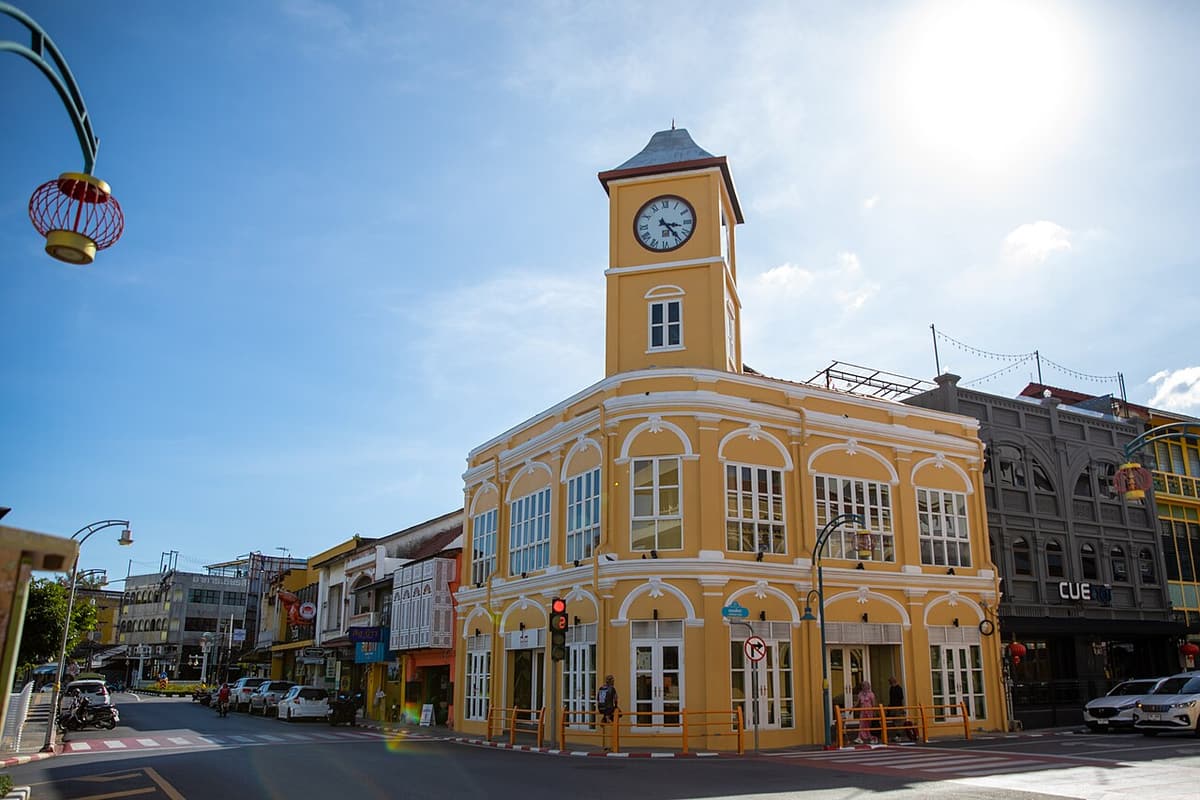
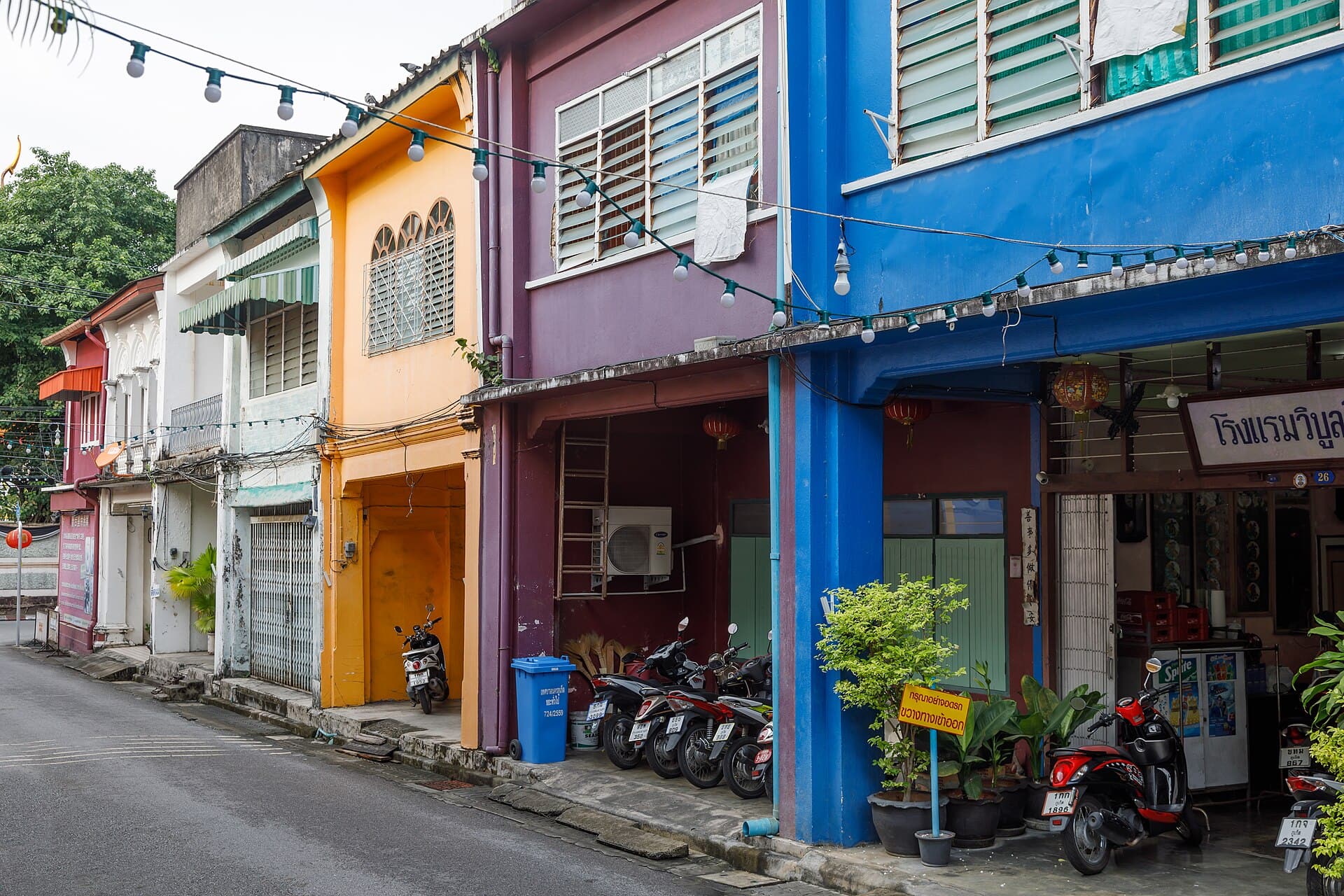
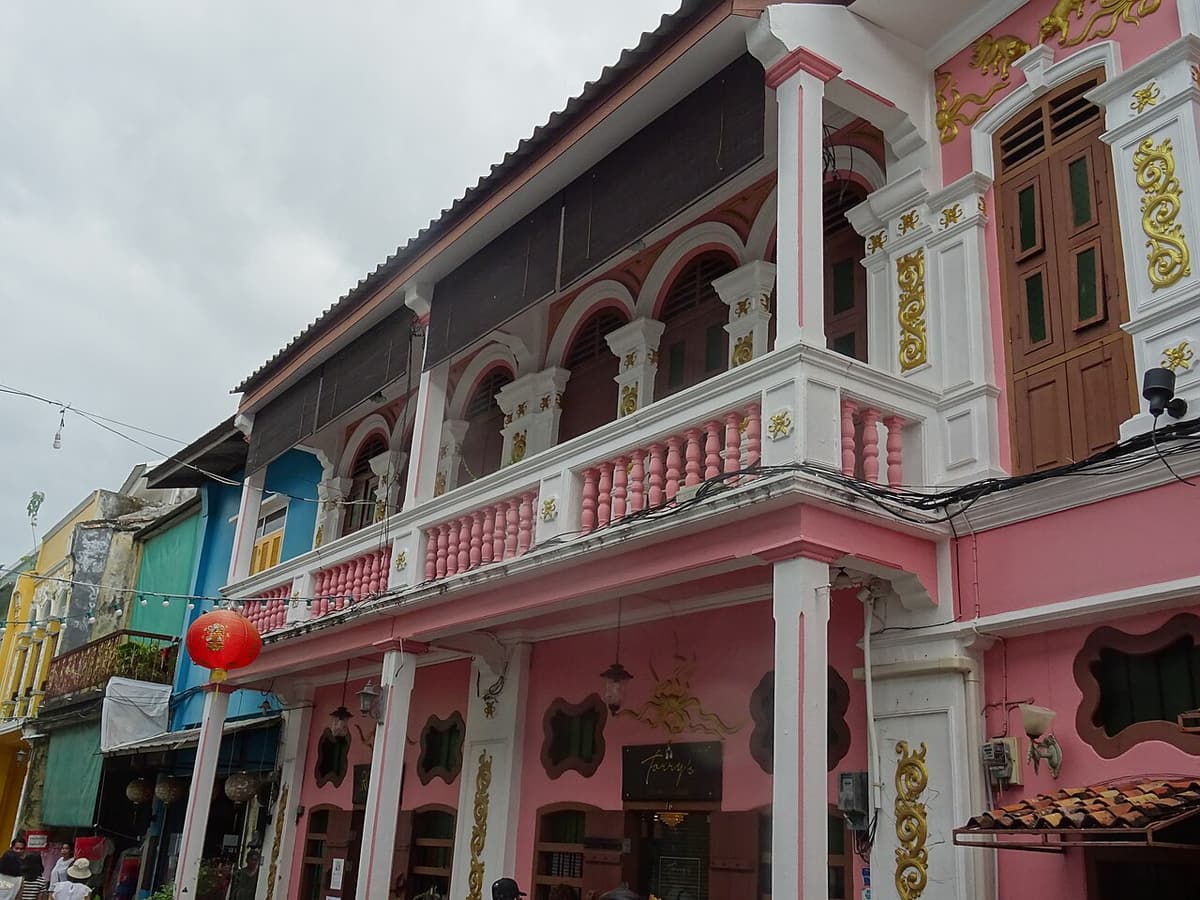
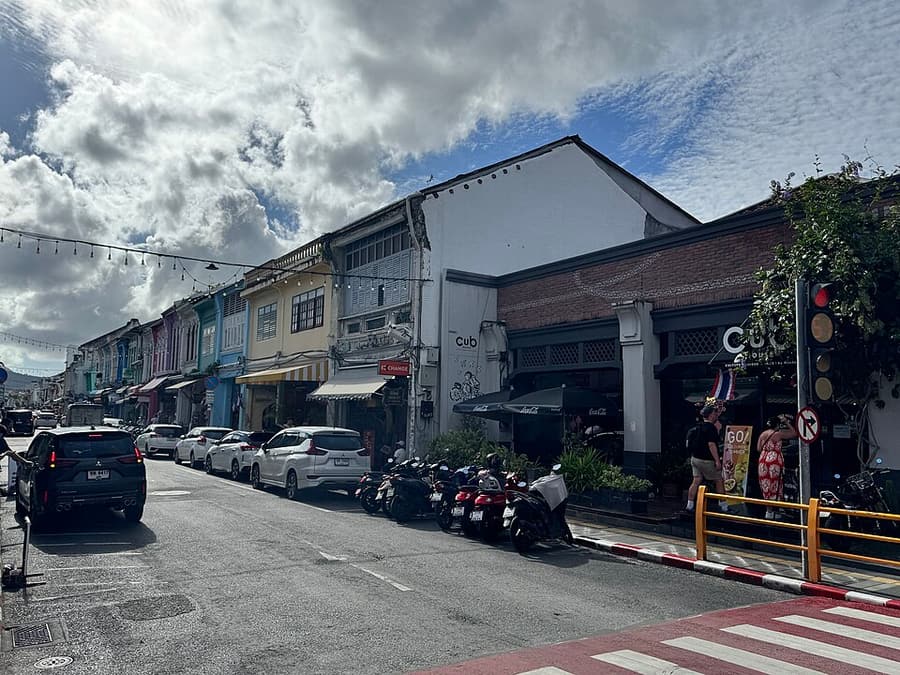
Phuket Old Town is the handful of streets at the heart of Phuket Town, the island’s capital on the east side. In the 19th and early 20th centuries tin made Phuket rich, and the Hokkien Chinese merchants who ran the trade built rows of narrow shophouses and grand mansions in a style usually called Sino-Portuguese.
Restored and repainted in pastel colours, those streets are now the most atmospheric part of the island: cafés and small museums behind five-foot-way arcades, Chinese shrines down side alleys, and the best cheap food in Phuket. It is the perfect half-day away from the beach.
Top things to do: Phuket Old Town
Walk Thalang Road and Soi Romanee
Thalang Road is the spine of the old quarter, lined with fabric shops, cafés and old family businesses. Soi Romanee, a short lane off it, is the most photographed street in Phuket. Continue to Dibuk, Krabi, Phang Nga and Yaowarat roads for mansions, murals and more shophouses.
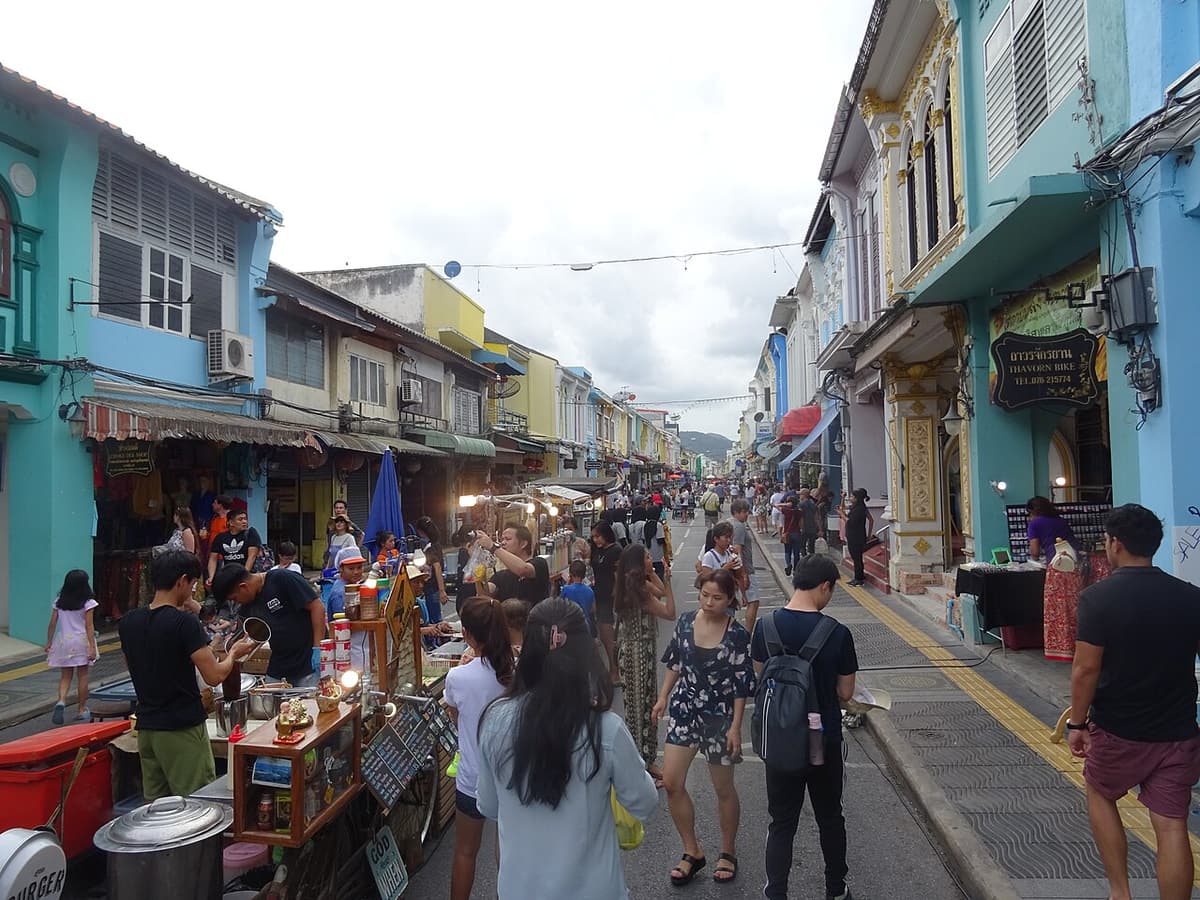
Sunday walking street
Every Sunday from late afternoon Thalang Road closes to traffic for the Lard Yai market: street food, crafts and live music beneath the lit-up façades. It is the best single evening in town.
Eat Phuket food
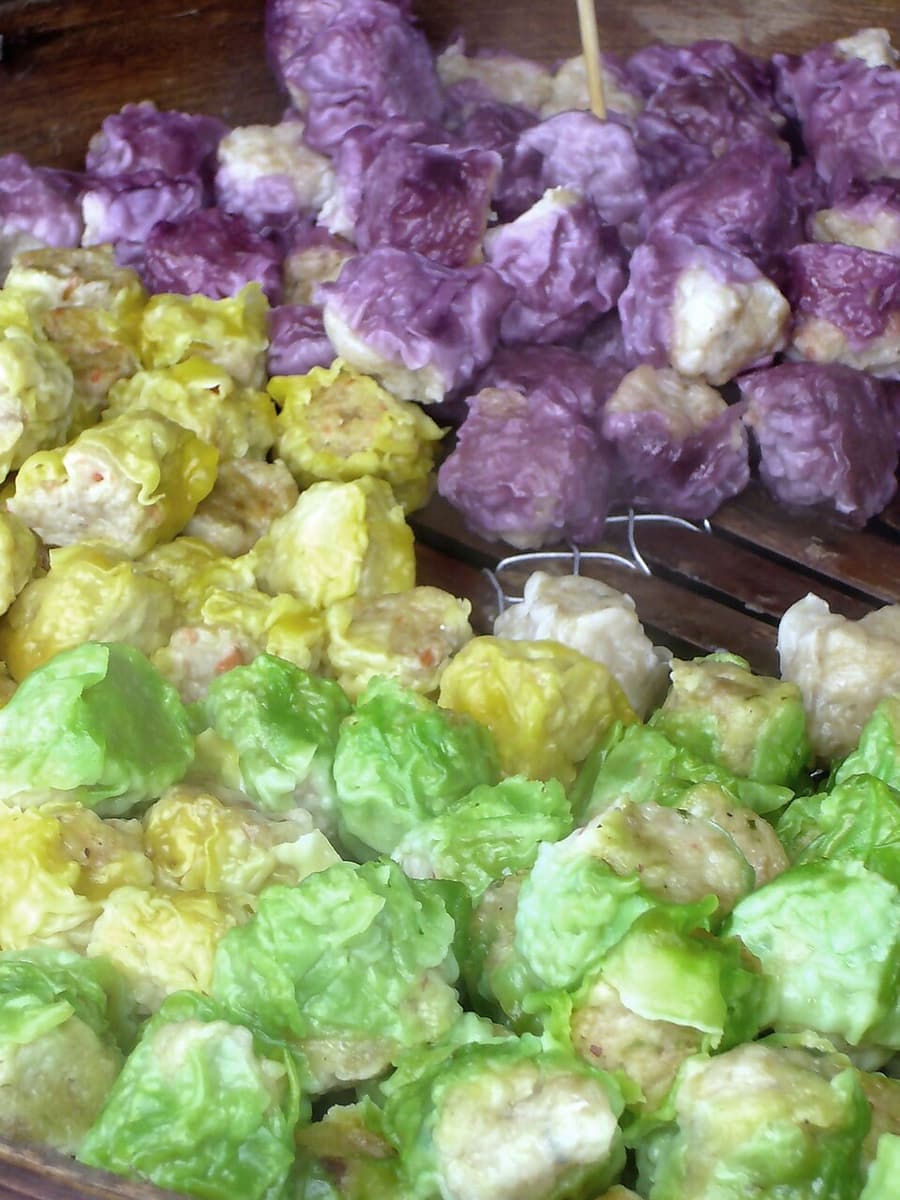
The town’s cooking mixes Hokkien Chinese, Malay and southern Thai. Look for Hokkien mee (fried yellow noodles), dim sum breakfasts, moo hong (braised pork belly), roti with curry and oh-aew, a shaved-ice jelly dessert. A guided food tour is the quick way in.
Museums and shrines
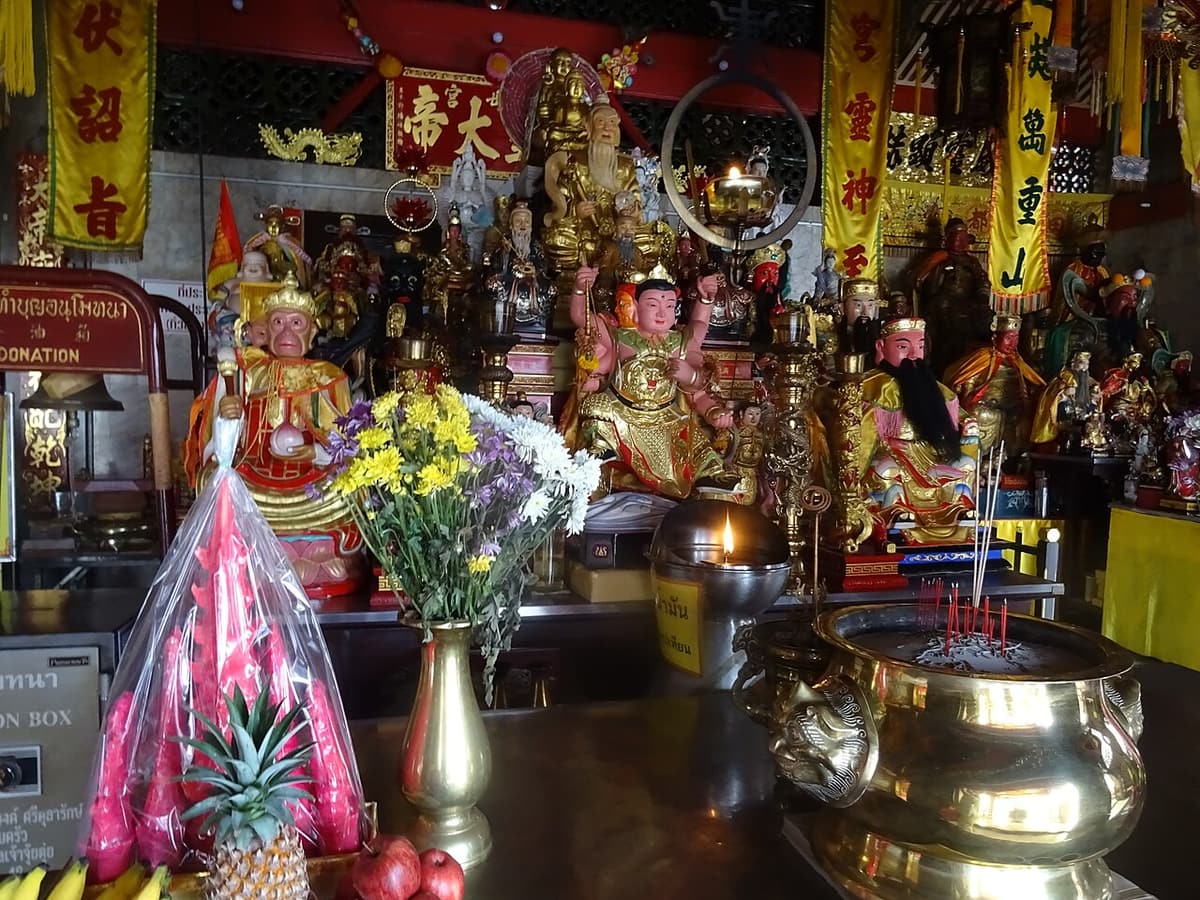
The Thai Hua Museum on Krabi Road tells the story of the island’s Chinese community in a former school. The Shrine of the Serene Light, down an alley off Phang Nga Road, and Jui Tui Shrine are central to the Vegetarian Festival each autumn.
Markets after dark
Chillva Market, north of the centre, is a young, local night market of shipping-container shops and food stalls. The big Naka weekend market, on Saturday and Sunday evenings south-west of town, is the island’s largest.
How to get to Phuket Old Town
- From the beaches: 30–40 minutes by taxi from Patong, Karon or Kata; blue songthaews from each beach terminate at Ranong Road, a few minutes’ walk from Thalang Road, and run in daytime only.
- From the airport: the airport bus runs to Phuket Town’s Bus Terminal 1 in around an hour or more; taxis take 45–60 minutes.
- On foot: the old quarter is compact and flat — everything is within 10–15 minutes’ walk.
Insider tips
- Go in the late afternoon. Midday is very hot, and several places close on Mondays.
- Songthaews back to the beaches stop around late afternoon. After that you will need a taxi or ride-hailing app.
- During the Vegetarian Festival (usually late September or October) the town is at its most intense: processions, firecrackers and yellow-flagged food stalls.
Best tours & tickets for Phuket Old Town
These well-reviewed experiences are the easiest way to see Phuket Old Town:
 Guided sightseeing tour from €32
 Phuket: Guided Tour of Phuket City with Hotel Transfers
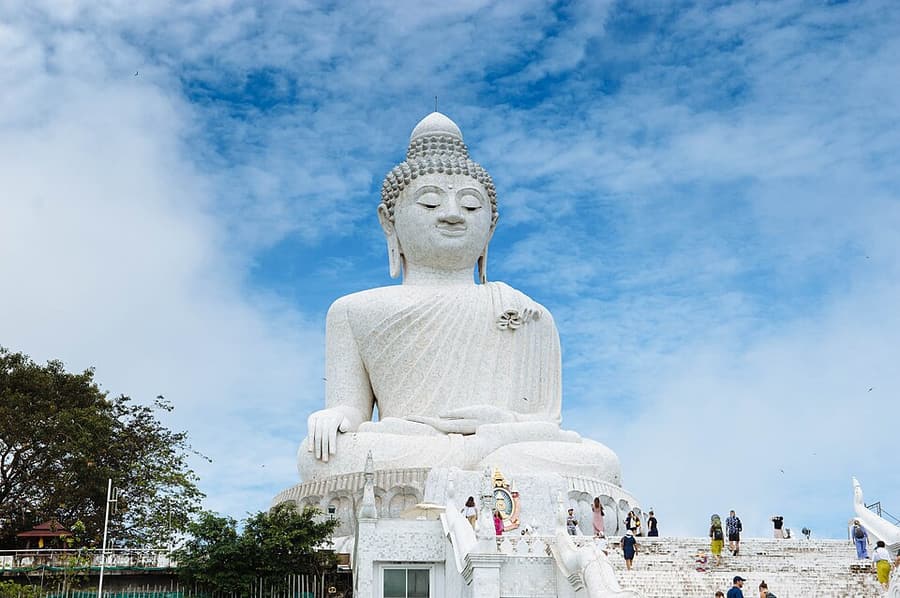
The easy way to tick off the island’s land sights without negotiating taxis: viewpoints, the Big Buddha and the pastel streets of Phuket Old Town in one guided loop. Rated 4.8 by more than three thousand travellers.
- Big Buddha and scenic viewpoints
- A walk through the Old Town
- Hotel pickup and drop-off
 Guided food walk from €57
 Phuket: Southern Flavours Food Tour with 15+ Tastings
A perfect five-star average from several hundred reviews. A local guide leads you between the Old Town’s kitchens and street stalls for Phuket’s distinct Hokkien-Thai cooking, dish by dish.
- More than 15 tastings
- Hokkien noodles and massaman curry
- Street food in the Old Town
 Cooking class from €61
 Halal Phuket Thai Cooking Class with Fresh Market Tour
The most-reviewed cooking class on the island. It starts in a fresh market, then moves to the kitchen for traditional dishes — and everything is halal, which is unusual and useful.
- Fresh-market visit with a local cook
- Cook traditional Thai dishes
- A fully halal kitchen
 Entry ticket from €42
 Phuket: Andamanda Water Park Ticket
A full-size water park in the middle of the island, with big slides and a wave pool. A reliable family day when the sea is too rough to swim.
- Phuket’s largest water park
- Slides and a wave pool
- Optional hotel transfer