The best time to visit Phuket is from November to April. The north-east monsoon brings dry air, blue skies and a calm, clear sea on the west coast — the conditions the island is famous for. December to February is the most pleasant and the most expensive; March and April are hotter.
From May to October the wind swings to the south-west. It does not rain all day — showers tend to come in heavy bursts with sunshine between — but the Andaman Sea turns rough, and that affects swimming and boat trips more than the rain does. Temperatures are warm all year, usually between about 25 °C at night and 31–34 °C by day.
Phuket month by month
| Month | Weather | Sea (west coast) | Notes |
|---|---|---|---|
| November | Rain easing, turning dry | Calming | Good value early in the month; Similans open |
| December | Dry, sunny, a little cooler | Calm and clear | Peak season from mid-month; book ahead |
| January | Dry and sunny | Calm and clear | Busiest and most expensive |
| February | Dry and sunny | Calm and clear | Excellent all round |
| March | Hot and dry | Calm | Great for diving and snorkelling |
| April | Hottest month; odd storms | Mostly calm | Songkran (13–15 April) |
| May | Monsoon begins; frequent showers | Rougher; red flags appear | Similans close mid-month; prices fall |
| June | Mixed sun and showers | Often rough | Surf season at Kata |
| July | Mixed sun and showers | Often rough | School-holiday visitors; good hotel deals |
| August | Mixed; some long wet spells | Often rough | Maya Bay usually closed |
| September | Usually the wettest month | Rough | Quietest and cheapest; Maya Bay usually closed |
| October | Wet, improving late | Easing late in the month | Vegetarian Festival; Similans reopen mid-month |
The monsoon and the red flags
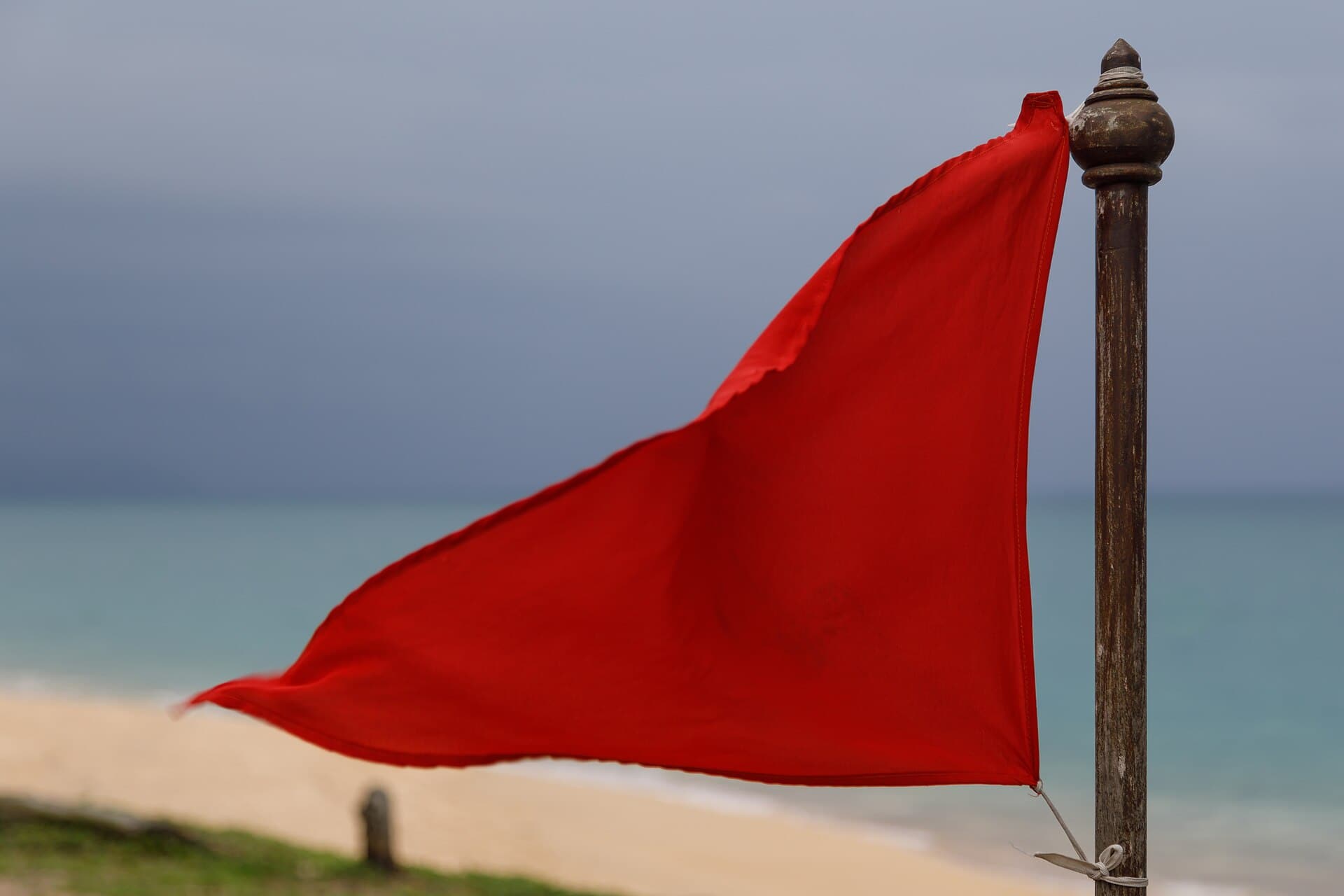
This is the most important thing on this page. From roughly May to October, swells from the south-west create powerful rip currents along Patong, Karon, Kata, Nai Harn, Surin and the other west-coast beaches. Lifeguards mark safe areas with red-and-yellow flags and close beaches with red flags. A red flag means do not go in, even to wade, and even if the surface looks calm. Visitors drown every year in the green season, nearly always after ignoring the flags.
If you travel in these months, pick a hotel with a good pool, plan land activities and sheltered-water trips such as Phang Nga Bay, and treat a swimmable sea as a bonus.
What runs when
- Phang Nga Bay and James Bond Island: all year — the bay is sheltered.
- Phi Phi Islands: all year, weather permitting. Crossings can be rough from May to October. Maya Bay has closed from 1 August to 30 September in recent years; confirm the dates.
- Similan Islands: only while the national park is open, roughly 15 October to 15 May.
- Racha, Coral and Khai Islands: all year, with some cancellations and reroutings in monsoon swell.
- Old Town, Big Buddha, shows, cooking classes, elephant sanctuaries: all year.
Crowds and prices
Hotel rates peak from about 20 December to mid-January and stay high until March. Chinese New Year and Easter bring smaller spikes. From May to October the same rooms can cost half as much, and the beaches, restaurants and boats are far less crowded. The shoulder weeks — November, and late April into early May — often give the best balance of weather and price.
So when should you go?
- For beaches and swimming: December to March.
- For snorkelling and diving: February to April, when visibility is at its best.
- For value with decent weather: November, or late April to early May.
- For surfing: June to September.
- For the lowest prices: September and early October, accepting rain and a rough sea.
- For culture: the Vegetarian Festival in late September or October.